
Mental health is not simply an “emotional issue”. It is a core determinant of overall health, quality of life, productivity and longevity.
Across the UK, rising rates of anxiety, depression and other common mental health conditions are affecting hundreds of thousands of people at work, at home and in our communities.
As we mark UK Mental Health Month this February, it is important to understand not only what mental health challenges look like and why they occur, but also how we can respond — individually, socially and clinically — to promote better outcomes for all.
The UK Mental Health Landscape: What the Data Shows
Mental health problems are common across the UK:
- Around 1 in 4 adults in England will experience a mental health problem each year.
- Approximately 22.6% of adults aged 16–64 are currently living with a common mental health condition such as anxiety or depression — a 20% increase since 2014.
- Half of all lifelong mental health problems are established by age 14, rising to 75% by age 24.
- Around 1 in 5 children and young people aged 8–25 have a probable mental health problem.
These figures reflect greater awareness, but also genuine increases in psychological distress, driven by social pressures, uncertainty and gaps in support provision.
Warning Signs: When Mental Health May Be Affected
Mental health challenges can sometimes remain hidden, even from ourselves. Common warning signs include:
Emotional and Psychological Signs
- Persistent sadness, irritability or feelings of hopelessness
- Excessive worry, fear or rumination
- Loss of interest in activities once enjoyed
- Difficulty concentrating or making decisions
Behavioural Changes
- Withdrawal from friends, family or usual activities
- Changes in sleep or appetite
- Increased use of alcohol or other substances
- Heightened risk-taking or impulsive behaviour
Physical Symptoms
- Chronic fatigue or unexplained aches and pains
- Ongoing sleep disruption
- Digestive issues without a clear medical cause
If these signs persist for several weeks or interfere with daily life, professional support should be sought.
The Connection Between Mental and Physical Health
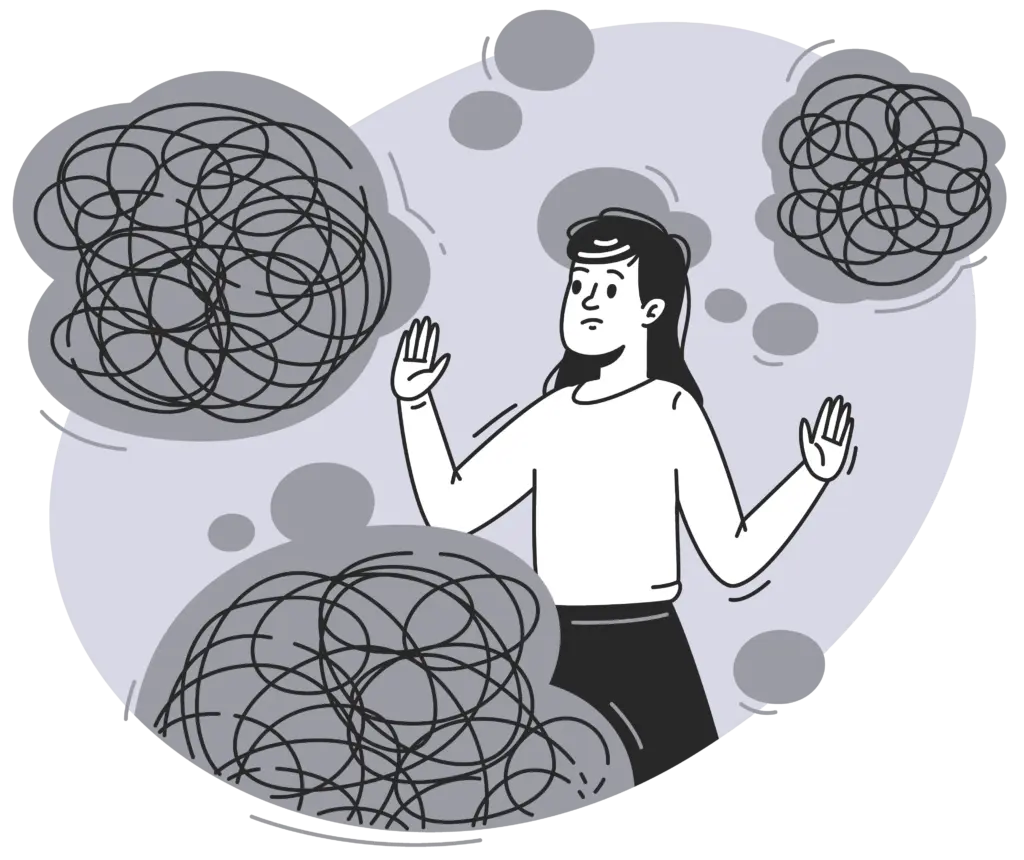
Mental and physical health are deeply interconnected.
- People with long-term physical conditions are more than twice as likely to experience common mental health problems.
- Severe mental illness is associated with significantly reduced life expectancy (up to 15–20 years shorter), largely due to preventable physical conditions such as cardiovascular disease.
- Poor mental health can worsen pain, reduce adherence to medical treatments and delay recovery from illness or surgery.
Biological mechanisms — including stress hormones, inflammation and sleep disruption — influence mood, immune function and cardiovascular health. For this reason, healthcare systems must treat mental and physical health with equal importance.
The Modern Context: Why Environment Matters
In today’s fast-paced, digitally connected society, several factors are influencing mental wellbeing:
- Financial stress and insecurity, which research shows can significantly increase rates of stress and insomnia.
- Social media use, linked to anxiety and self-esteem challenges, particularly among young people.
- Loneliness and social isolation, recognised risk factors for both mental and physical ill health.
- Workplace stress, one of the leading causes of long-term sickness absence in the UK.
These influences highlight the need for preventative public health strategies alongside traditional clinical care.
Mental Health as a Central Part of Consumer Healthcare
Mental health should never be treated in isolation. It affects:
- Work productivity and economic participation
- Relationships and family stability
- Physical health outcomes and life expectancy
- Overall quality of life and life satisfaction
In clinical practice, addressing physical symptoms alone often fails if underlying mental health needs are not recognised. Modern consumer healthcare must therefore adopt a holistic approach — beginning with listening, screening, early advice and timely referral where appropriate.
Simple, Evidence-Based Ways to Support Mental Wellbeing
There are practical steps everyone can take to protect and improve mental health.
Daily Habits
- Maintain regular sleep and wake times
- Incorporate movement into your day — even short walks help reduce stress hormones
- Take mindful breaks, such as breathing exercises or meditation for 5–10 minutes
Social Connection
- Speak openly with someone you trust about how you feel
- Engage in community groups or volunteering — connection protects against isolation
Digital Balance
- Set boundaries around screen time and social media use
Professional Support
Do not hesitate to seek help. Early intervention leads to better outcomes.
The Role of Community Pharmacy in Supporting Mental Health
Community pharmacy plays a unique and vital role in the mental health ecosystem.
1. Early Detection and Accessible Support
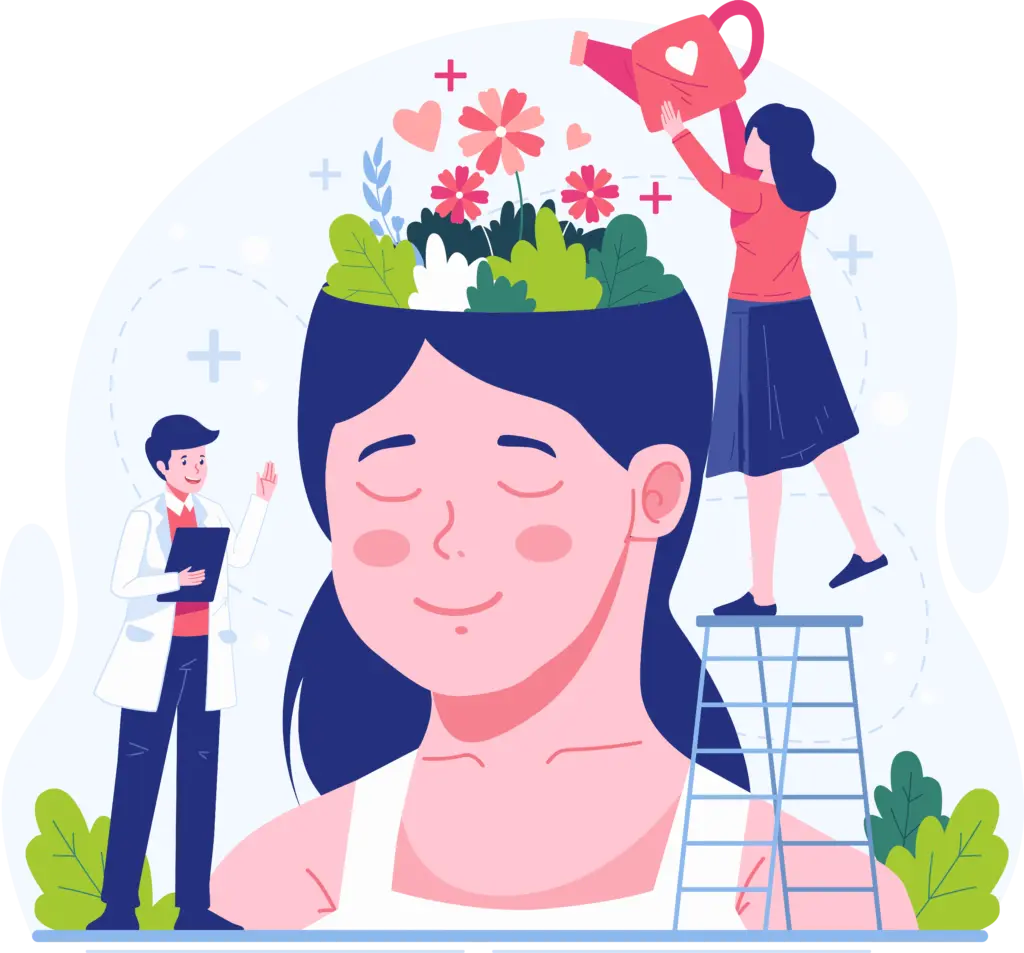
Pharmacists frequently interact with patients experiencing stress, insomnia, chronic pain or medication side effects — all of which may signal mental health changes. A simple screening question or compassionate conversation can make a meaningful difference.
2. Safe Triage and Referral
With the support of tools such as ConsultTed, pharmacists can safely signpost patients to appropriate services, whether GP support, psychological therapies, crisis teams or social care.
3. Medication Management
Many mental health conditions require medicines that need careful counselling to maximise benefits and minimise side effects. Pharmacists support the safe use of antidepressants, anxiolytics and related medicines. They can also advise on appropriate self-care practices to complement prescribed treatment.
4. Reducing Stigma
Normalising conversations about mental wellbeing at the pharmacy counter helps challenge stigma and encourages earlier help-seeking.
A Holistic Vision: Mental Health and Quality of Life
Good mental health is not simply the absence of illness. It includes:
- The ability to cope with life’s challenges
- Feeling valued and connected
- The capacity to pursue goals and meaning
- Resilience in the face of adversity
Strong mental wellbeing supports longevity, productivity, physical resilience and overall health span — the portion of life spent in good health — an area increasingly recognised within UK health policy.
In Conclusion
This February, let us recognise mental health as an essential part of overall health — not an optional extra.
Awareness must lead to action: early identification, supportive conversations, timely referrals, strong community networks and accessible care pathways.
Whether you are a patient, clinician or someone supporting others, small steps matter. Community-based healthcare — including pharmacies — will be central in shaping a future where mental health services are timely, compassionate and effective.
Mental health matters. And it matters every day of the year.